

Rat Removal Viera FL – On Point Wildlife Removal
Key Points
Roof rats are the most common rodent problem in Viera, FL, especially in homes near preserves, ponds, golf courses, and landscaped areas
Rats in attics create fire hazards, health risks, and costly insulation damage if not addressed quickly
Effective rat removal requires inspection, trapping, entry point sealing, sanitation, and follow-up monitoring
Poison-based rat control often causes odor problems, secondary poisoning, and incomplete results
Roof rats are strong climbers that access homes through rooflines, soffits, vents, and tree limbs
Florida’s warm climate allows rats to breed year-round, causing infestations to grow fast
DIY traps and bait rarely solve the problem because they do not address entry points or nesting sites
Professional rat removal in Viera focuses on humane trapping and permanent exclusion, not temporary fixes
Attic cleanup after rat removal is often required to address droppings, urine, odor, and damaged insulation
Early action leads to lower costs, less damage, and faster resolution
Key Definitions
- Roof Rats: A climbing rodent species common in Central Florida that prefers attics, roofs, and elevated areas. Roof rats access homes through trees, power lines, fences, and roof gaps.
- Rodent Infestation: A condition where rats or mice are actively living, nesting, and reproducing inside a structure such as an attic, wall void, or garage.
- Exclusion: The process of sealing all rodent entry points using rodent-proof materials to prevent rats from re-entering a home after removal.
- Strategic Trapping: Targeted placement of mechanical traps along known rat travel routes and nesting areas to remove the active population safely and efficiently.
- Entry Points: Small gaps, holes, or construction openings—often as small as 1/4 inch—that allow rodents to access attics, roofs, or wall spaces.
- Attic Contamination: The presence of rat droppings, urine, nesting material, and bacteria within insulation or attic surfaces that can impact air quality and health.
- Habitat Modification: Steps taken to reduce food, shelter, and access for rodents by trimming trees, securing food sources, and removing nesting opportunities.
- Rat Poison: Chemical rodenticides that kill rats but often cause them to die inside walls or attics, leading to odor problems and secondary poisoning risks.
- HEPA Filtration: High-efficiency air filtration used during attic cleanup to prevent contaminated particles from spreading into living areas.
- Integrated Rodent Control: A complete approach that combines inspection, trapping, exclusion, sanitation, and monitoring to achieve long-term results.
Introduction to Rodent Infestation
Rodent infestations are a persistent challenge for homeowners, especially in areas like Viera where roof rats are particularly common. These agile rodents are not just a nuisance—they can contaminate food sources, damage property, and carry diseases that threaten the health of humans and pets alike. Because rats are adept at finding even the smallest entry points, a single overlooked gap can quickly lead to a full-blown infestation.
Effective rodent control goes beyond simply setting traps; it requires a thorough understanding of how and why rodents are entering your home. A reputable pest control company will conduct a detailed inspection to identify all entry points, assess the extent of the problem, and recommend a strategic trapping plan tailored to your situation. By addressing the root causes and implementing long-term solutions, you can rid your home of rats and reduce the risk of future infestations. If you suspect rodent activity, seeking expert advice early can help protect your family from the health risks and property damage associated with these persistent pests.
Fast Rat Removal in Viera, Florida
When you hear scratching overhead at 2 AM, you don’t want to scroll through pages of generic pest control websites. You want someone local who can actually help. On Point Wildlife Removal provides same-day and next-day rat removal specifically for Viera, FL and nearby communities including Suntree, Rockledge, and Melbourne. We’re not a call center three states away—our phones are answered right here in Brevard County, seven days a week, with emergency service available for those alarming noises in your attic at night.
The most common rat problem we encounter in Viera involves roof rats getting into homes built after 2000, particularly in neighborhoods off Stadium Parkway and Wickham Road. These newer communities, with their tile roofs, mature landscaping, and proximity to preserves and waterways, create the perfect environment for rodents seeking shelter, food sources, and nesting sites. If your house backs up to a golf course, pond, or conservation area, your risk goes up significantly.
Our team uses proven, inspection-based methods to remove rodents and keep them out permanently. Professional rodent control services often begin with an initial inspection to assess the situation and determine the best course of action. We don’t rely on rat poison scattered around your property and hope for the best. Instead, we identify the root cause of your infestation, eliminate the active population through strategic trapping, and seal all the entry points to prevent future infestations. Long term prevention is crucial—comprehensive strategies such as sealing entry points and regular maintenance are essential for keeping attics rodent-free over time. Professional pest control offers thorough inspection, safe baiting, proper exclusion, and disinfection as part of a comprehensive service.
Here’s how our process works:
- Thorough inspection of your attic, roofline, and exterior
- Humane trapping to remove rats currently in your home
- Sealing entry points with rodent proof materials
- Cleanup and sanitation of contaminated areas
- Follow-up visits to confirm the problem is solved
Rat trapping is a critical step in effective rodent control. We use a variety of trapping methods, including snap traps, live cage traps, and one-way exit funnels, with careful attention to trap placement and baiting to ensure successful removal and prevent further infestation.
Ready to get rid of rats in your Viera home? Call On Point Wildlife Removal for a professional attic and roof-line rat inspection today.
Why Rats Are a Serious Problem in Viera Attics
Viera’s warm, humid climate creates year-round conditions that rats absolutely thrive in. While homes in northern states get a break during winter months, Florida’s mild temperatures (averaging 70-80°F annually) allow rodents to breed continuously—females can produce 4-6 litters per year with 6-12 pups each. Add in the master-planned community design featuring palm trees, canals, retention ponds, and golf courses, and you’ve got ideal habitat for roof rats within walking distance of your attic.
Unlike homes in other parts of the country, Viera properties are built on concrete slabs rather than basements. This means rats in the attic or wall voids are the norm, not the exception. Roof rats prefer high places, and your attic provides exactly what they need: warmth, darkness, shelter from predators, and easy rodent access to insulation for nesting material.
The damage we find in Viera homes includes:
- Chewed Romex wiring that creates serious fire hazards
- Shredded blown-in insulation reduced to useless nesting material
- Gnawed A/C lines and ductwork near air handlers
- Contaminated storage boxes and holiday decorations
- Compromised vapor barriers and radiant barriers
The health risks extend beyond property damage. Rats carry diseases including leptospirosis, salmonella, and lymphocytic choriomeningitis virus. Perhaps more concerning for many Viera families: dried rat droppings and urine in your attic can become aerosolized and circulate through your HVAC system, worsening asthma, allergies, and respiratory issues for everyone in the house.
Roof rats are excellent climbers. They travel along power lines, fence tops, and oak limbs to reach the tile and shingle roofs common throughout Viera subdivisions. A branch touching your roofline is essentially a highway directly into your home.
Key dangers of ignoring a rat problem:
- Fire risk from gnawed electrical wiring
- Health concerns from droppings, urine, and diseases
- Structural damage to insulation, ductwork, and wood
- Persistent odor issues from urine-soaked materials
- Rapidly growing population if left unchecked
Signs You Have Rats in Your Viera Home
If you live in Viera, Suntree, or Rockledge—especially in a home near water or preserve areas—pay close attention to night noises and attic odors. Many homeowners dismiss early warning signs as “just the house settling” or assume it’s a harmless lizard. By the time they investigate, the infestation has been growing for months.
Roof rats are mostly nocturnal, which means sounds are typically heard after 9-10 PM when your house gets quiet and humans are settling in for the night. If you’re lying in bed and hearing activity overhead, there’s a good chance you’re hosting unwanted guests.
Here are the concrete signs of rodent activity in your home:
- Scratching and scurrying sounds above ceilings at night, especially over the master bedroom or garage where insulation is thickest
- Dark, spindle-shaped droppings about 1/2 inch long on attic decking near access hatches or along rafters
- Gnaw marks on attic rafters, PVC pipes, foam insulation around A/C lines, and wood structural components
- Grease rub marks (dark smudges) along rafters, trusses, and around roof vents where rats travel repeatedly
- Strong ammonia-like odor from accumulated urine in insulation, particularly noticeable on hot afternoons when attic temperatures rise
- Fruit rinds, snail shells, or palm seed husks carried into attic corners—common in Viera’s golf course and waterfront communities where natural food sources are abundant
- Small gaps or smaller holes in soffit material with fresh gnaw marks around the edges
- Disturbed insulation with visible tunnels or nests
A professional rat inspection is important because other animals also invade Central Florida attics. Squirrels, raccoons, and bats can create similar sounds and leave droppings that homeowners might confuse with rat evidence. Proper species identification determines the correct removal strategy.
Our Rat Removal Process in Viera, FL
On Point Wildlife Removal follows a structured, step-by-step process tailored to Viera’s specific construction styles—stucco over block, tile roofs, screened lanais, and the architectural details common in Brevard County communities. This isn’t a one-size-fits-all approach where someone shows up, sets a few traps, and hopes for the best.
Full Exterior & Attic Inspection
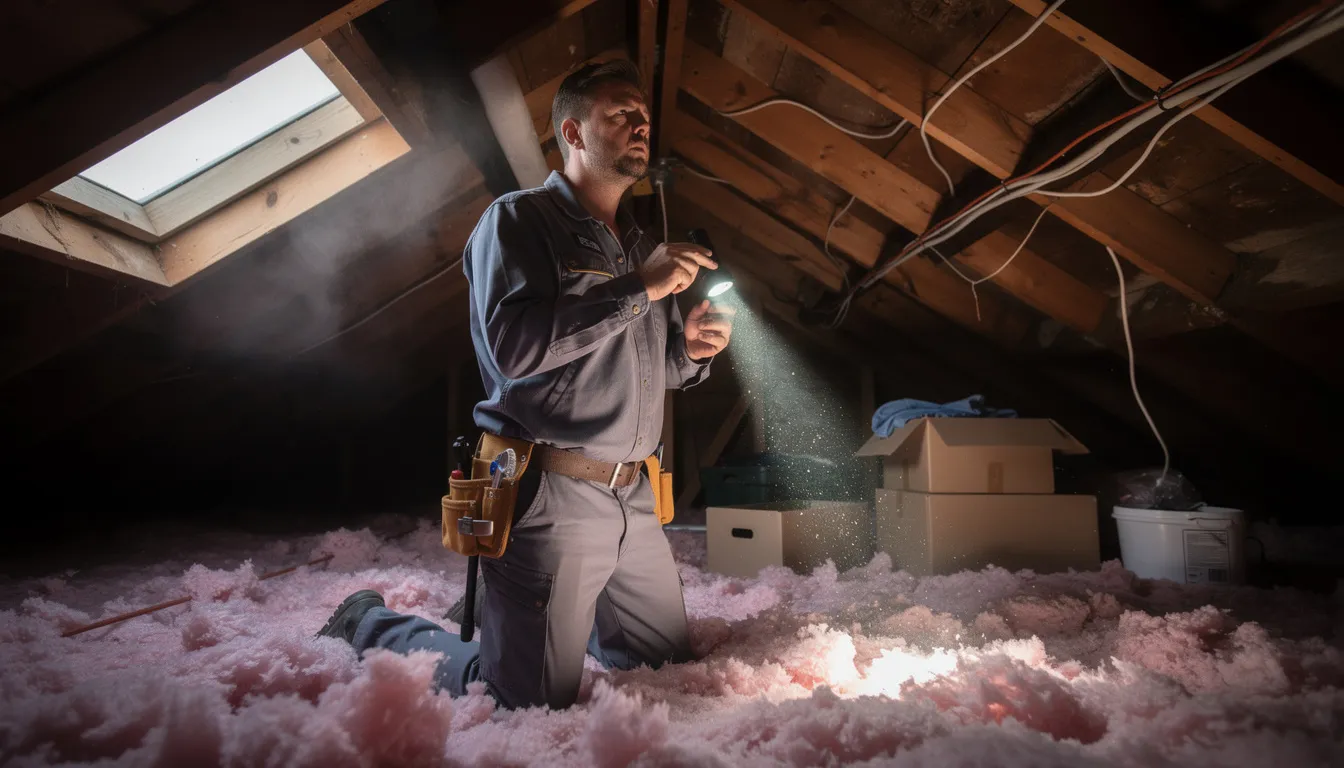
Every effective removal job starts with understanding exactly what’s happening in your home. Our technicians check rooflines, soffits, builder gaps, roof returns, and attic spaces to map where rats are entering buildings and traveling. We use flashlights to spot droppings and grease marks, and we identify all potential entry points—not just the obvious ones.
Species Identification
Determining whether you’re dealing with roof rats versus Norway rats, mice, or squirrels changes everything about our approach. Roof rats are agile climbers that prefer attics and upper structures, while Norway rats are ground-dwellers that burrow. We examine droppings, chew patterns, and travel routes to confirm exactly what we’re dealing with.
Strategic Trapping
Rat trapping is a critical step in the rat removal process. We place traps—primarily snap traps and mechanical devices—in carefully chosen locations along travel paths and near nesting sites. Snap traps are one of the most effective methods for catching rats, and baiting traps with peanut butter is a common and effective strategy for attracting them. Using live traps is an alternative method for removing rats, though it may not be as effective as snap traps. This targeted approach achieves 80-90% capture rates within the initial trapping period. We don’t use broadcast poison that kills rats in unknown locations (like inside your walls) or poses risks to pets, children, and other animals.
Entry Point Sealing (Exclusion)
Once the active population is removed, we seal gaps larger than about 1/4 inch with rodent proof materials including metal flashing, hardware cloth, and steel wool backed by appropriate sealants. Common access points in Viera homes include roof vents, fascia gaps, A/C line penetrations, soffit returns, and gaps where stucco meets rooflines. Installing vent guards can help keep rodents out of your attic.
Sanitation & Odor Control
We remove accessible rat droppings, soiled insulation sections, and dead rats, then apply disinfectant and odor treatments safe for homes with pets and children. Professional services should clean droppings and urine to reduce the risk of bacteria. HEPA-filtered vacuums and enzyme cleaners neutralize contaminants without spreading them through your living space.
Follow-Up & Monitoring
We re-check rodent traps, confirm no new rodent activity, and verify that all sealed areas are holding up under Florida’s heat, humidity, and storms. This monitoring phase ensures the job is actually complete, not just “probably done.”
This is not a one-time spray service. It’s a complete solution designed to stop current rats and prevent rodents from moving back into your attic. Our approach is humane and targeted, avoiding unnecessary harm to non-target wildlife around Viera’s wetlands and conservation areas.
Why We Don’t Give One-Size-Fits-All Phone Quotes
We understand that when you suddenly hear rats running through your ceiling at midnight, you want answers fast—including how much this is going to cost. It’s a completely reasonable question, and we wish we could give you a number right then and there.
But here’s the reality: an accurate quote for rat removal in Viera simply cannot be given sight-unseen. Every home is different. Every infestation is different. A price pulled out of thin air might sound good on the phone, but it’s either going to be wrong (meaning surprise charges later) or it’s going to reflect a corner-cutting approach that doesn’t actually solve your problem.
Factors that affect your specific situation include:
| Factor | Why It Matters |
|---|---|
| Size and layout of your home | A single-story villa in Viera East requires different access and coverage than a two-story home in Viera West |
| Roof style and accessibility | Tile roofs, steep pitches, screened pool enclosures, and limited attic access all affect the work required |
| Number and location of entry points | Some homes have 5-10 gaps; others have 20+ that need to be found and sealed |
| Severity and duration of infestation | Fresh activity from a few rats differs dramatically from many rats present for months or seasons |
| Level of contamination | Light soiling might need spot cleanup; heavy contamination may require partial or full new insulation replacement |
| Complicating factors | Previous DIY poison use, inaccessible wall voids, attached townhome construction, or other pests all change the scope |
| Scheduling needs | Emergency after-hours service versus scheduled daytime appointments affects resource allocation |
A careful on-site inspection in Viera allows us to provide a fair, accurate, and written plan instead of a guess that might change once we see what’s actually happening. We’d rather spend 30-45 minutes at your home and give you real information than throw out a number that doesn’t serve anyone.
Schedule a professional inspection visit in Viera and receive a precise quote with a step-by-step plan customized to your home.
Roof Rats in Viera: What Makes Them Different?
Roof rats—sometimes called black rats—are the primary species On Point Wildlife Removal encounters throughout Viera. Unlike their ground-dwelling cousins (Norway rats), roof rats have evolved to climb, jump, and navigate elevated spaces with impressive agility. Understanding their behavior is key to effective removal.
What sets roof rats apart:
- Appearance: Slender build, large ears, a tail longer than their body, and typically darker coloration (black to brownish-gray). Their sharp teeth can gnaw through wood, plastic, and even soft metals.
- Climbing ability: Roof rats travel along fences, power lines, screen cage frames, and oak branches to access roofs. A palm tree within 10 feet of your roofline is essentially a ladder.
- Diet in Viera: These rats feed on citrus fruit, bird seed, pet food left on lanais, palm seeds from landscaping, snails, and insects. The abundance of these food sources in Viera communities supports healthy rat populations.
- Nesting habits: Roof rats create nests in insulation, shredded duct wrap, and stored materials in attics. Viera’s attic environments—warm, undisturbed, and full of nesting material—are ideal breeding sites.
- Reproduction rate: In Florida’s year-round warm climate, roof rats breed continuously. A female reaches maturity in 2-3 months and can produce multiple litters annually. What starts as “a few noises” can become a full colony within months if not addressed.
This is why timing matters. The longer you wait, the larger your rat problem becomes—and the more extensive the damage and cleanup required.
Risks of Rat Poison
While it might seem like an easy fix, using rat poison to kill rats often creates more problems than it solves. When rats consume poison, they frequently retreat to hidden or inaccessible areas before dying, leaving behind dead rats that can cause foul odors and attract other pests. The decomposition process can also pose health hazards, especially if the carcasses are not promptly removed.
Additionally, rat poison is not selective—it can harm non-target animals such as pets, wildlife, and even children if tamper resistant bait stations fail. Poison does little to address the root cause of the infestation, allowing new rodents to enter through unsealed gaps. Instead, safer and more effective removal methods include snap traps, live traps, and properly placed tamper resistant bait stations. These approaches allow for the controlled removal of rodents and reduce the risk to other animals in your home. By focusing on targeted trapping and exclusion, you can remove rodents without introducing unnecessary poison into your environment.
Habitat Modification
One of the most effective ways to prevent rodent infestations is by making your home less inviting to rats and other rodents. Habitat modification starts with sealing all entry points, including small gaps and holes that might seem insignificant. Using rodent proof materials like steel wool and hardware cloth can block even the most determined rodents from gaining access to your attic or living spaces.
Beyond physical barriers, reducing available food sources is crucial. Store pet food and pantry items in sealed, rodent-proof containers, and keep your attic and storage areas free of clutter that could provide shelter. Regularly inspect your home for new gaps or signs of gnawing, and address them promptly to prevent property damage. By maintaining a clean, organized environment and eliminating easy access to food and shelter, you can significantly reduce the likelihood of future infestations and protect your property from costly repairs.
DIY Rat Control vs. Professional Rat Removal in Viera
Many Viera homeowners first try store-bought bait and traps from big box stores along Wickham Road or in nearby Melbourne. It’s understandable—you want to solve the problem quickly and affordably. But there’s a significant gap between what DIY products can accomplish and what actually stops a rodent infestation.
Here’s how DIY efforts compare to professional services:
| DIY Approach | Professional Rat Removal |
|---|---|
| Relies on rat poison that kills rats in unknown locations—often inside walls, creating odor problems and attracting other pests | Uses strategic trapping to remove trapped rats from accessible locations with verification |
| Typically involves setting 2-3 traps with random placement | Deploys 20-50+ properly positioned snap traps and live traps based on identified travel routes |
| Doesn’t address how rats are entering the home | Includes complete exclusion work sealing all the entry points |
| Achieves less than 30% control without entry point sealing | Achieves 95%+ efficacy through integrated pest management |
| Risks secondary poisoning of pets, wildlife, and potentially children through tamper resistant bait stations failures | Uses targeted mechanical removal methods with no poison risks |
| No species identification—wrong approach for wrong animal | Proper identification ensures correct removal strategy |
Common DIY mistakes we see in Viera homes:
- Setting too few traps to make a meaningful impact
- Poor trap placement that misses actual runways and travel paths
- Touching bait with bare hands, leaving human scent that makes neophobic rats avoid it
- Using glue boards that cause prolonged suffering without effective capture
- Attempting to seal entry points before rats are removed, trapping rodents inside walls and ceilings
- Ignoring habitat modification around the property
If you’ve already tried DIY methods and you’re still hearing noises, it’s time for professional help. On Point Wildlife Removal serves as a local expert resource for Viera residents who want a lasting, attic-safe solution rather than temporary fixes that don’t address the root cause.
Dealing with Other Animals
Rats aren’t the only animals that can invade your attic—squirrels, bats, and raccoons are also common culprits in Central Florida. Each species requires a different removal strategy, so it’s important to accurately identify the animal and locate its entry points before taking action. Attempting a one-size-fits-all approach can lead to ineffective removal and ongoing problems.
A professional pest control company can provide expert advice on the best way to handle these situations, ensuring that the removal process is safe, humane, and tailored to the specific animal involved. By addressing the unique behaviors and habits of each species, you can achieve effective removal and prevent future infestations. Whether you’re dealing with rodents or other animals, a comprehensive plan that includes sealing entry points and ongoing monitoring is key to long-term protection.
Attic Cleanup and Insulation Issues After Rats
In many Viera homes, rats have been active for weeks or months before anyone notices. By the time homeowners investigate their attic, they find extensive contamination—droppings scattered across insulation, urine staining, gnaw marks on stored items, and sometimes the remains of dead rats that never made it out.
What attic work involves after a rat infestation:
Assessment of Contamination
We evaluate how deep droppings and urine have penetrated into batt or blown-in insulation. Surface contamination is one thing; saturation that goes inches deep is another matter entirely.
Spot Cleanup vs. Extensive Removal
For lighter infestations, spot cleanup of affected areas may be sufficient. Heavy soiling, strong ammonia odors, or visible urine staining often requires more extensive insulation removal to fully eliminate health risks and odor sources.
Safe Removal Protocols
Disturbing contaminated insulation can release particles into the air. We use HEPA-filtered vacuums, enzyme cleaners, and appropriate protective equipment to prevent spreading contaminants into your living space below.
Insulation Restoration
After cleanup, restoring proper insulation levels helps with energy efficiency during Central Florida’s brutal summers. Many homeowners discover their cooling bills drop after addressing compromised attic insulation.
Odor Neutralization
Even after rats are gone, lingering odors from rat feces and urine can persist for months. Proper treatment ensures you’re not reminded of your former guests every time temperatures rise.
Thorough cleanup is especially important for families with children, elderly residents, or anyone with asthma, allergies, or compromised immune systems. The goal isn’t just removing rats—it’s restoring your attic to a safe and effective condition.

Service Areas Around Viera, FL
On Point Wildlife Removal is based in Brevard County and regularly services Viera and all surrounding communities. When you call, you’re reaching local technicians who know these neighborhoods, understand the common construction styles, and have experience with the specific rodent challenges this area presents.
We provide rat removal services throughout:
- Viera East and Viera West communities
- Suntree neighborhoods along I-95
- Rockledge and Cocoa areas near US-1
- North Melbourne areas west of I-95 near the Viera border
- Homes near Duran Golf Club, Viera Regional Park, and the Avenues at Viera shopping district
- Properties backing up to preserves, retention ponds, and golf courses
Similar roof rat problems occur across all these communities due to shared construction styles (stucco, tile roofs, similar landscaping) and environmental conditions. The same professional process—inspection, trapping, exclusion, cleanup, and monitoring—applies whether you’re in a Viera townhome or a single-family house in Suntree.
Residents throughout Brevard County: call On Point Wildlife Removal for a professional rat inspection and customized removal plan tailored to your specific situation.
When to Call a Viera Rat Removal Professional
Don’t wait until ceiling stains appear, dead rat odors fill your house, or you’re dealing with chewing damage to electrical systems. Early action means simpler solutions, lower costs, and less contamination to clean up afterward.
Contact On Point Wildlife Removal immediately if you notice:
- Nightly scratching or running sounds in the attic or walls, especially between 10 PM and 4 AM when roof rats are most active
- Fresh rat droppings found near the attic hatch, in the garage, or on top of water heaters inside closets
- Pets staring or pawing at ceilings, soffits, or interior wall sections as if tracking movement inside
- Strong, unexplained musty or ammonia odors coming from vents or specific rooms
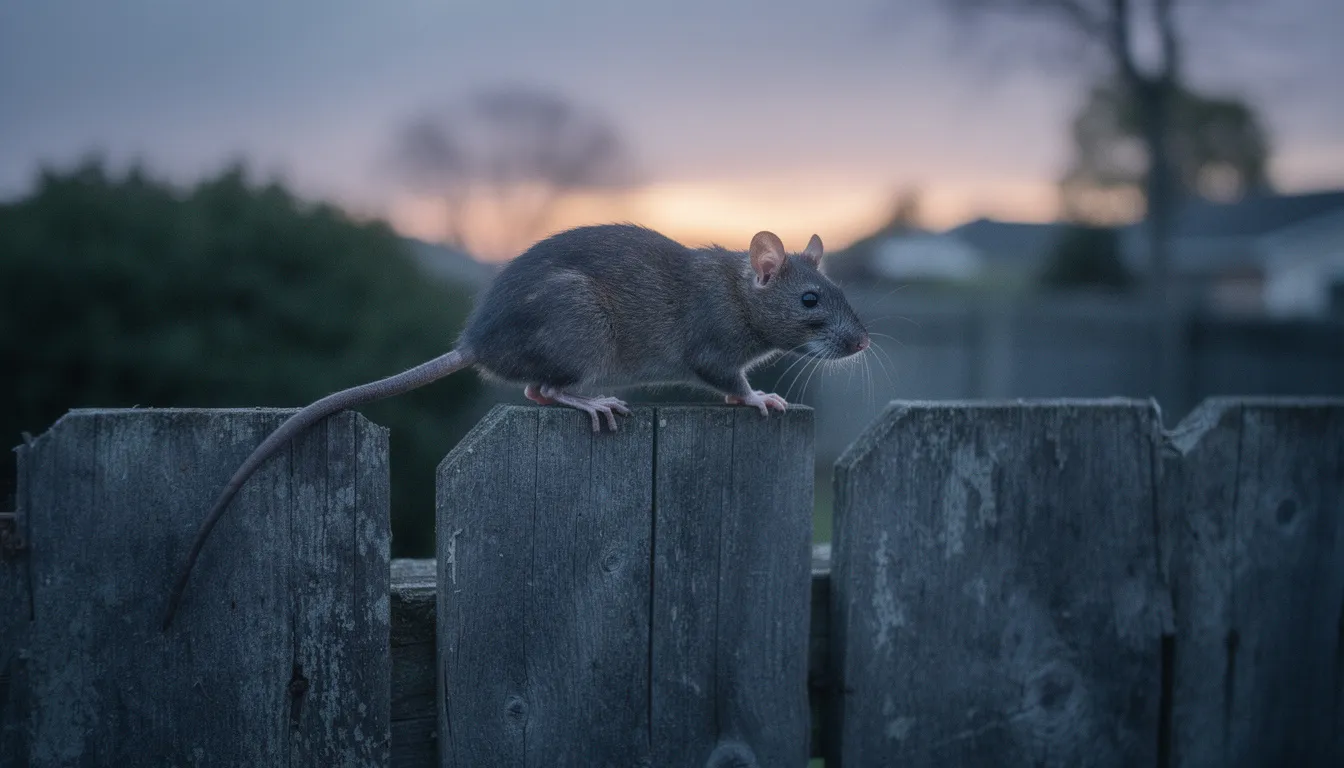
- Visible rats on fences, rooflines, or palms around your home, especially at dusk when they emerge to forage
- Evidence of previous failed DIY or pest control company attempts that didn’t include sealing entry points
- Gnaw marks on exterior cables, soffit panels, or roof vent screens
If any of these scenarios sound familiar, you likely have an active infestation that won’t resolve on its own. Rats don’t move out voluntarily—they reproduce, expand their territory, and cause increasingly serious property damage until someone intervenes.
On Point Wildlife Removal offers quick response times, local Brevard County expertise, and a complete attic-safe solution that addresses the entire problem—not just the symptoms.
Call today to schedule your professional inspection in Viera. We’ll identify exactly what’s happening, show you what we find, and provide a detailed plan to get rid of rats and keep them from coming back. Your family’s comfort and safety shouldn’t depend on hoping the problem goes away. Let’s solve it together.
Conclusion
Rodent infestations can cause significant headaches for homeowners, but with the right approach, you can get rid of rats and prevent future infestations for good. The most effective rodent control strategies combine sealing entry points, strategic trapping, and habitat modification to address both the immediate problem and its underlying causes. It’s important to be aware of the risks associated with rat poison and to choose safer, more effective alternatives whenever possible.
By working with a trusted pest control company, you gain access to expert advice and proven methods that protect your home from property damage and reduce health risks. Remember, long term solutions depend on preventing rodents from accessing food sources, shelter, and water. Taking proactive steps now will help you maintain a rodent-free home and enjoy peace of mind for years to come. If you’re facing a rat problem, don’t wait—seek professional help to ensure safe and effective removal, and keep your home protected against future infestations.
Here is a very interesting video posted by National Geographic, showing how certain types of rats are among the types of rodents that can “collapse” their rib cages to come up your sewer system into your toilet (Yes, in my experience in animal control, I have seen this happen before on more than one occasion).
Roof rats usually enter your attic by way of open roof returns caused by other animals, such as raccoons. They can smell the pheromones left behind, and the rat populations of rats in the attic know it’s a possible new home. Rats also scale power meter pipes to gain access to the soffit and enter through pipe stacks and goose necks that aren’t properly sealed. Once inside, they can make multiple rat nests in the attic insulation, and start having babies, leading to even larger rat populations creating a more severe rat infestation.